The Longevity Chapter
  • Pinterest
  • Sauna Buyer Guide: Choosing the Right Sauna for Long-Term Health

    January 30, 2026

    Sauna use has become increasingly popular in longevity and wellness conversations—and for good reason. Regular heat exposure may support cardiovascular function, recovery, and stress resilience over time.

    But once you start shopping, the options can feel surprisingly confusing:

    • Finnish dry sauna vs infrared
    • Near-infrared light vs heat
    • High temperatures vs lower, more tolerable sessions
    • Permanent installs vs portable setups

    This guide is designed to help you choose a sauna that fits your goals, physiology, and lifestyle—without overwhelm.


    First, a Quick Clarification: Finnish Saunas Are Dry Saunas

    The strongest longevity research comes from Finland, where sauna bathing is a long-standing cultural practice.

    These studies were conducted using traditional Finnish dry saunas, which typically involve:

    • High heat (often 176–212°F)
    • Low humidity
    • Short sessions (10–20 minutes)
    • Regular weekly frequency

    While water may occasionally be poured over hot stones to create brief steam (löyly), Finnish saunas are still considered dry heat saunas, not steam rooms.

    This matters because different sauna types work through different mechanisms.


    The Three Most Common Sauna Options

    Most people considering sauna for longevity fall into one of these categories:

    1. Traditional dry heat saunas
    2. Infrared saunas
    3. Portable infrared or entry-level options

    Each has strengths depending on your priorities.


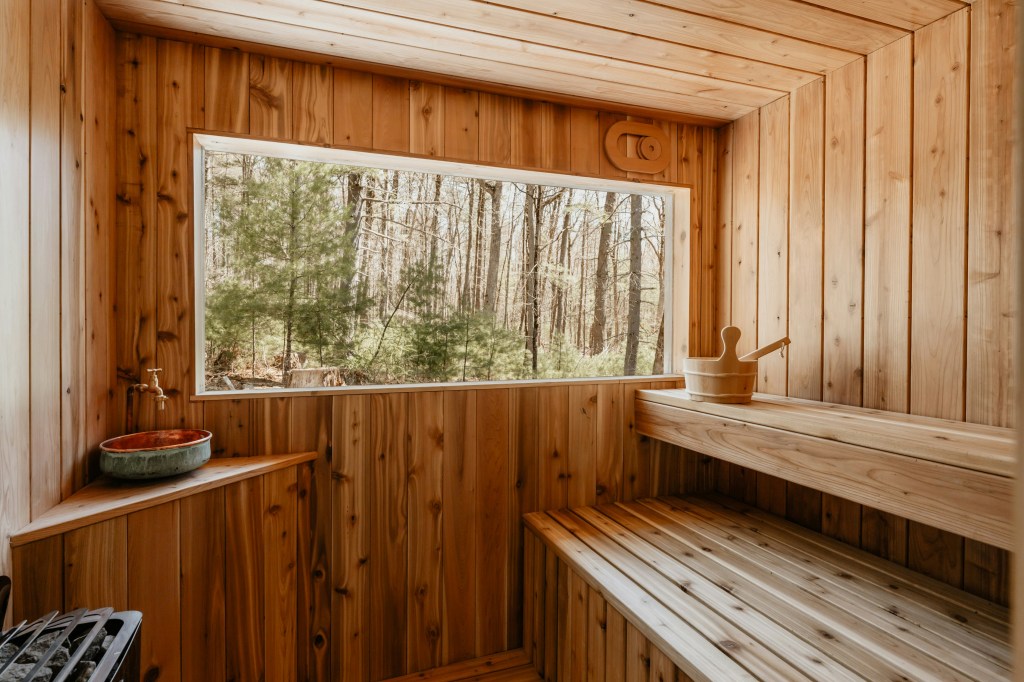
    Option 1: Traditional Dry Sauna (Finnish-Style)

    Traditional dry saunas are the closest match to the sauna conditions used in the Finnish longevity studies.

    Typical temperature: 176–212°F
    Experience: High heat, dry air, strong cardiovascular response

    Best fit if you:

    • Want the most research-aligned sauna exposure
    • Enjoy intense heat
    • Are looking for a long-term home investment
    • Have space for a dedicated sauna structure

    Why people choose it:

    Dry sauna bathing creates a significant heat challenge, which may support vascular adaptation, cardiovascular conditioning, and recovery when used consistently.

    *Popular companies that sell these: Secret Saunas, Almost Heaven Saunas


    Option 2: Infrared Sauna (Lower Heat, High Consistency)

    Infrared saunas use infrared energy to warm the body at lower ambient temperatures than traditional saunas.

    Typical temperature: 113–149°F
    Experience: Gentler heat, often easier to tolerate

    Best fit if you:

    • Prefer a lower-heat experience
    • Want something sustainable for frequent use
    • Are focused on recovery and nervous system comfort
    • Find high heat too intense during midlife or perimenopause

    Why people choose it:

    Infrared saunas may be more accessible for regular use, which is often more important than intensity for long-term adherence.

    *Popular companies that sell these: Sunlighten, Clearlight


    Option 3: Near-Infrared Light (Different Mechanism)

    Near-infrared systems are sometimes grouped with saunas, but they work somewhat differently.

    Rather than relying primarily on heat stress, near-infrared exposure is often discussed in the context of:

    • Photobiomodulation
    • Cellular signaling
    • Mitochondrial support

    These setups may involve mild warmth, but the primary mechanism is light-based rather than cardiovascular heat conditioning.

    Best fit if you:

    • Want minimal heat exposure
    • Are specifically interested in light-based recovery tools
    • Prefer shorter, lower-intensity sessions

    *Popular companies that sell these: SaunaSpace


    Option 4: Portable Infrared Options (Entry-Level)

    Portable infrared saunas and sauna blankets are often the most accessible starting point.

    Typical temperature: 113–140°F
    Experience: Convenient, space-saving, variable quality

    Best fit if you:

    • Are new to sauna use
    • Want a lower-cost way to begin
    • Live in a smaller space or rent
    • Prefer portability over permanence

    Important note:

    Portable options vary widely in materials, durability, and heat consistency, so thoughtful selection matters.

    *Popular companies that sell these: HigherDOSE, Heat Healer


    Quick Comparison Table

    Sauna TypeTemperature RangeBest ForKey Advantage
    Finnish Dry Sauna176–212°FResearch-aligned longevity + cardiovascular conditioningStrongest observational evidence
    Infrared Sauna113–149°FConsistency, comfort, midlife-friendly recoveryLower heat, easier adherence
    Near-Infrared LightAmbient–120°FLight-based cellular supportMinimal thermal stress
    Portable Infrared113–140°FBeginners, budget, small spacesAccessible entry point

    How to Choose (A Simple Lens)

    If you’re unsure where to start, consider this:

    • If you want the closest match to Finnish longevity research:
      Traditional dry sauna
    • If you want something you’ll realistically use 3–5 times per week:
      Infrared sauna
    • If high heat feels dysregulating or unsustainable:
      Near-infrared or lower-temperature options
    • If you’re just beginning and want to experiment:
      Portable infrared

    The most effective sauna is not necessarily the most extreme—it’s the one you can use consistently, safely, and calmly over time.


    A Note on Sustainability and Nervous System Health

    From a long-term health perspective, practices that support both physiological adaptation and recovery matter most.

    Sauna use can be one of many tools that supports:

    • cardiovascular resilience
    • stress regulation
    • recovery routines
    • healthy aging across midlife

    Consistency, rather than intensity, is often the true driver of benefit.

  • Saunas for Longevity: What the Research Shows, How the Nervous System Is Involved, and How to Choose Thoughtfully

    January 27, 2026

    Sauna use is one of the few lifestyle practices consistently associated with reduced all-cause mortality in large observational studies. As a result, it has become a focal point in longevity conversations.

    But for many people in midlife, the most important questions aren’t about trends — they’re about mechanisms:

    • What temperatures were actually studied?
    • How does heat affect the nervous system?
    • Is infrared sauna use comparable to traditional Finnish saunas?
    • And how do we choose a sauna that supports both physical and mental health over time?

    This article explores the research with those questions in mind.


    What the Finnish Sauna Studies Actually Measured

    The strongest epidemiological data on sauna use comes from long-term cohort studies in Finland, most notably by Laukkanen and colleagues.

    Core Study Parameters

    • Sauna type: Traditional Finnish dry sauna
    • Temperature: ~80–100°C (176–212°F)
    • Session length: 10–20 minutes
    • Frequency with strongest associations: 4–7 sessions per week
    • Population: Middle-aged men at baseline (limitation of study)

    Observed Associations

    Compared to once-weekly use, frequent sauna use was associated with:

    • Reduced all-cause mortality
    • Reduced cardiovascular mortality
    • Lower risk of sudden cardiac death

    (Laukkanen et al., 2015; Laukkanen et al., 2017)

    These are associational findings, not proof of causality — but the dose-response relationship (greater benefit with higher frequency) is notable.


    Proposed Biological Mechanisms

    Researchers suggest several overlapping pathways:

    1. Cardiovascular Conditioning

    Heat exposure increases heart rate and cardiac output in a manner similar to moderate aerobic exercise
    (Hannuksela & Ellahham, 2001)

    2. Vascular Function

    Repeated heat exposure promotes vasodilation and may improve endothelial function
    (Brunt et al., 2016)

    3. Heat Shock Proteins (HSPs)

    High temperatures induce HSPs, which support:

    • Cellular repair
    • Protein folding (necessary for cells to function properly)
    • Stress resilience
      (Kregel, 2002)

    4. Autonomic Nervous System Adaptation

    Regular sauna use may support healthier autonomic balance — particularly parasympathetic recovery after stress
    (Lee et al., 2022)


    Parasympathetic Tone: What It Is and Why It Matters for Mental Health

    What Is Parasympathetic Tone?

    Parasympathetic tone refers to the activity of the parasympathetic branch of the autonomic nervous system, which governs:

    • Rest
    • Digestion
    • Recovery
    • Emotional regulation

    Higher parasympathetic tone is associated with:

    • Lower baseline anxiety
    • Improved emotional regulation
    • Better sleep quality
    • Greater stress resilience

    Low parasympathetic tone, by contrast, is linked with:

    • Chronic hyperarousal
    • Anxiety and depressive symptoms
    • Poor recovery from stress

    (Porges, 2011; Thayer & Lane, 2000)

    From a mental health perspective, longevity is not just about adding years — it’s about maintaining physiological flexibility and emotional regulation as we age.


    Why Heat Can Influence Parasympathetic Recovery

    Although sauna exposure initially activates the sympathetic nervous system (heat is a stressor), the recovery phase afterward appears to promote parasympathetic rebound — especially when sessions are:

    • Moderate in duration
    • Followed by rest
    • Used consistently rather than intensely

    This pattern — brief stress followed by recovery — is a classic hormetic process.

    (Kihara et al., 2002)


    Where Infrared Saunas Differ From Finnish Saunas

    Infrared saunas heat the body differently.

    Typical Infrared Sauna Conditions

    • Temperature: ~45–65°C (113–149°F)
    • Heat delivered via infrared wavelengths rather than hot air

    This leads to an important distinction:

    Infrared saunas may not replicate the cardiovascular load of Finnish saunas — but they may better support tolerability, consistency, and nervous system regulation.


    Infrared vs Near-Infrared: Mechanistic Differences

    Near-Infrared (NIR)

    • Shorter wavelengths
    • More superficial penetration
    • Studied primarily in photobiomodulation
    • May influence mitochondrial signaling and local circulation
      (Hamblin, 2016)

    Mid- to Far-Infrared

    • Deeper tissue heating
    • Greater thermal load
    • More overlap with heat-stress pathways

    These mechanisms are complementary, not interchangeable.


    Visual Comparison: Sauna Types and Longevity Considerations

    Sauna TypeTypical Temperature (°F)Heat DeliveryPrimary Physiological EffectsLongevity Evidence StrengthKey Considerations
    Finnish Dry Sauna176–212°FHot air (dry heat)Cardiovascular conditioning, heat shock proteins, vascular adaptationStrongest population-level dataHigh heat tolerance required
    Full-Spectrum Infrared Sauna113–149°FInfrared + ambient heatModerate heat stress, improved circulation, nervous system tolerabilityEmerging, indirect evidenceLower cardiovascular load than Finnish sauna
    Near-Infrared Sauna / LampsAmbient–120°FNear-infrared lightCellular signaling, mitochondrial support, low thermal strainMechanistic & clinical data (not sauna-specific)Different mechanism than heat conditioning
    Portable Infrared Sauna113–140°FInfrared (localized)Accessibility, sweat inductionLimited long-term dataDurability and even heat distribution vary

    Specific Sauna Companies (Longevity-Oriented Framing)

    Secret Saunas

    Best for: Long-term home installation and environmental integration

    • Traditional dry sauna (Finnish-style)
    • High build quality
    • Custom options
    • Significant investment
      Consideration: Best for permanent residences

    Sunlighten

    Best for: Those wanting an established company with educational depth

    • Full-spectrum infrared options
    • Broad product range
    • Premium pricing
      Consideration: Evaluate customer support and long-term ownership costs carefully

    SaunaSpace

    Best for: Those prioritizing near-infrared exposure and simplicity

    • Near-infrared focus
    • Lower overall heat load
    • Often used in shorter sessions
      Consideration: Different experience than enclosed saunas

    Portable Infrared Saunas (e.g., Sweat Tent)

    Best for: Entry-level or space-limited users

    • Affordable
    • Easy setup
      Consideration: Less durable for long-term daily use

    Choosing a Sauna for Longevity

    If your primary goal is to align as closely as possible with the Finnish longevity research, a traditional dry sauna is the most direct match.

    If your goal is consistency, nervous system regulation, or lower heat exposure, infrared or near-infrared options may be more realistic and sustainable.

    From a long-term health perspective, the most effective sauna is not necessarily the most extreme—but the one that fits your physiology, lifestyle, and capacity for regular use.


    Final Thoughts

    Sauna use is best understood as a hormetic stressor—a controlled challenge followed by recovery. When used appropriately, it may support cardiovascular health, autonomic balance, and resilience across both body and mind.

    Longevity is rarely about a single intervention. It’s about choosing practices that can be integrated calmly, consistently, and thoughtfully over time.


    Educational Disclaimer

    This content is for informational purposes only and is not a substitute for medical advice.

  • Red Light Therapy and Longevity: A Gentle, Evidence-Informed Approach

    January 23, 2026

    Red light therapy has quietly moved from clinical and research settings into homes, gyms, and wellness spaces. Unlike many longevity trends, its appeal isn’t rooted in pushing the body harder—but in supporting cellular repair, recovery, and regulation.

    When approached thoughtfully, red light therapy fits well within a longevity framework that prioritizes sustainability over intensity.

    This article explores what red light therapy is, what the research actually suggests, and how it may support long-term health without turning into another optimization burden.


    What Is Red Light Therapy?

    Red light therapy (also called photobiomodulation) uses specific wavelengths of red and near-infrared light—typically between 630–880 nm—to interact with cells.

    Unlike UV light, these wavelengths do not damage the skin. Instead, they penetrate tissue and appear to influence cellular energy production, particularly within the mitochondria.

    In simpler terms:
    Red light doesn’t force the body to perform. It appears to support the body’s existing repair processes.


    The Longevity Connection: Why Mitochondria Matter

    Mitochondria are often described as the “power plants” of the cell. As we age, mitochondrial efficiency tends to decline, contributing to:

    • Reduced energy
    • Slower recovery
    • Increased inflammation
    • Cellular aging

    Research suggests that red and near-infrared light may help improve mitochondrial function by supporting ATP (energy) production and reducing oxidative stress.

    From a longevity perspective, this matters because aging is less about one system failing and more about many systems slowly losing efficiency.

    Red light therapy is being studied as a way to support that efficiency—gently.


    Potential Benefits Relevant to Healthy Aging

    Research and clinical use suggest red light therapy may support:

    • Cellular energy and repair

    By influencing mitochondrial activity

    • Inflammation regulation

    Which plays a role in aging, pain, and chronic disease

    • Muscle recovery and joint comfort

    Especially helpful as recovery time increases with age

    • Skin health

    Through collagen support and improved circulation

    • Circadian rhythm support

    When used earlier in the day (important for sleep and longevity)

    Importantly, these benefits appear to come from consistency, not intensity.


    Red Light Therapy vs. Longevity “Optimization”

    One reason red light therapy resonates with many midlife adults is that it doesn’t require:

    • Willpower
    • Performance
    • Pushing through discomfort

    You don’t sweat. You don’t track scores. You don’t “fail” a session.

    This makes it uniquely compatible with a nervous-system-aware approach to longevity, where recovery and regulation are foundational rather than optional.


    What Red Light Therapy Is Not

    To keep expectations grounded, red light therapy is not:

    • A substitute for sleep
    • A replacement for movement
    • A cure-all for aging
    • Something that needs to be used excessively

    Longevity isn’t built on single interventions. It’s built on supportive inputs repeated over time.


    Choosing a Red Light Therapy Device (What Matters)

    If you’re considering red light therapy, focus on:

    • Wavelength transparency (red + near-infrared listed clearly)
    • Consistency of use, not power claims
    • Ease of integration into daily life
    • Low stress to use

    The best device is the one that supports recovery without becoming another obligation.


    A Longevity Mindset Shift

    Red light therapy works best when framed as:

    “How can I support my body’s ability to repair and regulate—over time?”

    Not:

    “How can I optimize faster?”

    That shift alone is often where the real longevity gains begin.


    Educational note:

    This content is for informational purposes only and is not medical advice.


  • Longevity Without Extremes: A Sustainable Approach to Healthy Aging

    January 22, 2026

    Longevity is often portrayed as something to be optimized—tracked, measured, supplemented, and pushed. The dominant narrative suggests that living well for a long time requires constant intervention, relentless discipline, and an ever-expanding list of protocols.

    But for many adults, especially in midlife and beyond, a different question emerges:

    What actually supports long-term health in a way that is sustainable, humane, and nervous-system aware?

    Longevity, at its core, is not about doing more. It is about creating internal and external conditions that allow the body to function well over time.


    Longevity Is a Systems Question, Not a Hack

    From a clinical perspective, the body is not a collection of isolated parts. It is an integrated system—neurological, psychological, cardiovascular, metabolic, and relational.

    Interventions that improve one metric while chronically stressing another rarely lead to durable health.

    Research on healthy aging consistently points to a few broad themes:

    • Cardiovascular resilience
    • Metabolic flexibility
    • Stress regulation
    • Sleep quality
    • Recovery capacity

    Notably absent from the strongest data: extreme protocols.

    Longevity is less about intensity and more about consistency, regulation, and cumulative load.


    The Role of the Nervous System in Healthy Aging

    One of the most underappreciated drivers of aging is chronic nervous system activation.

    Persistent sympathetic dominance—living in a state of ongoing alert, urgency, or pressure—has downstream effects on:

    • Inflammation
    • Immune function
    • Hormonal balance
    • Sleep architecture
    • Cognitive health

    Over time, this state accelerates wear on the system.

    Longevity-supportive practices tend to share one thing in common:
    they increase the body’s capacity to return to baseline.

    This is why tools that support recovery, regulation, and parasympathetic activation are increasingly discussed in longevity research.


    Environment as a Longevity Intervention

    Longevity conversations often focus on what to add—supplements, routines, devices. But environment is one of the most powerful and least invasive interventions available.

    Small, sustained environmental changes can meaningfully reduce the body’s background stress load.

    Examples include:

    • Creating a low-toxicity sleep environment
    • Supporting circadian rhythms with light exposure
    • Using heat or light therapies in a non-exhaustive way
    • Reducing sensory overload where possible

    These interventions work not because they are dramatic, but because they are persistent and non-demanding.


    Recovery Matters More Than Optimization

    In both psychological and physiological systems, recovery is where adaptation occurs.

    Longevity-supportive lifestyles tend to prioritize:

    • Sleep quality over sleep quantity alone
    • Restorative movement over chronic overtraining
    • Recovery practices over constant stimulation
    • Emotional regulation over suppression

    This does not mean avoiding challenge entirely. It means allowing adequate space for integration afterward.

    A system that never recovers does not become stronger—it becomes depleted.


    Longevity Is Personal, Not Performative

    One of the quiet risks of modern longevity culture is comparison. What works well for one nervous system may be destabilizing for another.

    High-functioning, conscientious people are especially vulnerable to pushing past early signs of overload in the name of “health.”

    From a clinical lens, sustainable longevity respects:

    • Individual stress thresholds
    • Psychological context
    • Life stage realities
    • The difference between discipline and compulsion

    The goal is not to live harder for longer.
    The goal is to live well for longer.


    A Reframing Worth Holding

    Longevity is not something you earn through relentless effort.

    It is something you support through:

    • Regulation instead of reactivity
    • Consistency instead of intensity
    • Care instead of control

    When the body feels safe enough to recover, it tends to function better—often for much longer than expected.


    Final Thought

    Healthy aging is rarely the result of a single product, protocol, or breakthrough. It emerges from the accumulation of small, supportive choices made over time—especially those that reduce friction rather than add demand.

    Longevity, when approached wisely, should feel grounding, not exhausting.


  • Sauna Use in Perimenopause: A Gentle Tool for Stress Resilience and Healthy Aging

    January 16, 2026

    Perimenopause brings a host of changes, including shifts in stress sensitivity, sleep patterns, and recovery. In the midst of these changes, many women explore tools that support the body without overstimulation — particularly those that promote recovery, relaxation, and whole-body resilience.

    One such tool with growing research interest is sauna use. While saunas are often discussed in popular culture for detox or weight loss, the most compelling scientific work focuses on how repeated sauna bathing relates to cardiovascular health, stress regulation, and long-term outcomes — including lifespan extension.

    What Science Says: Finnish Research on Sauna and Longevity

    The most notable research on sauna use and long-term health comes from longitudinal studies conducted in Finland, where sauna bathing is culturally ingrained and commonly practiced. These studies have tracked large groups of adults over many years to observe associations between sauna frequency and health outcomes.

    Here’s what the data shows:

    🔹 Frequent Sauna Use and Lower Cardiovascular Mortality

    Long-term observational data has found that individuals who used a sauna 4–7 times per week had notably lower rates of cardiovascular mortality compared to those who used it once per week or less.

    🔹 Longer Lifespan Associated With Regular Sauna Bathing

    In these Finnish cohorts, more frequent sauna use was associated with a reduced risk of all-cause mortality over follow-up periods of 15–20+ years. Individuals in the highest sauna frequency groups showed lifespan advantages compared to lower frequency groups — even after adjusting for lifestyle and health covariates.

    🔹 Dr. Rhonda Patrick’s Interpretation

    Dr. Rhonda Patrick, a researcher and educator with a focus on longevity science, highlights these studies because they:

    • Tie heat exposure to physiological systems involved in stress resilience
    • Suggest cumulative benefits on heart health and systemic inflammation
    • Implicate mechanisms like heat shock proteins, improved vascular function, and autonomic regulation

    She often emphasizes that while the data is observational — and therefore cannot prove causation — the consistency of findings across large populations is compelling and aligns with what we know about stress buffering systems.

    Importantly, this is not about “curing aging.” Instead, it frames sauna use as a supportive lifestyle habit that may be part of a broader, holistic longevity practice.

    How Sauna Use May Support Midlife Health

    For women in perimenopause, sauna use can support:

    • Circulatory function: Promoting vasodilation and circulation
    • Stress resilience: Encouraging parasympathetic regulation
    • Recovery: Especially after physical or emotional stress
    • Rest: Many women report improved sleep on sauna days

    A Gentle, Nervous-System–First Approach

    From a clinical perspective, midlife symptoms often improve not from stimulation but from recovery support. Instead of viewing sauna sessions as a performance tool, they can be reframed as restorative heat exposure — something your system experiences rather than endures.

    Sauna sessions that are too long or too hot can be counterproductive during perimenopause, when the nervous system is especially sensitive. Many women find lower temperatures and shorter durations more calming than intense heat.

    Practical Tips for Sauna Use in Perimenopause

    Start slowly: Shorter sessions (10–15 minutes) at moderate temperatures

    Hydration matters: Supporting fluid balance helps nervous system responses

    Consistency over intensity: Regular, moderate sessions appear more supportive than occasional extremes

    Listen to your body: If heat increases anxiety, dizziness, or discomfort, ease off

    Your nervous system is not a machine to be optimized aggressively — it is an ecosystem to be respected. Sauna use can fit beautifully within a nervous-system–first longevity approach when done gently and with self-awareness.

    Important Considerations

    Sauna bathing is not suitable for everyone (cardiovascular conditions, pregnancy, certain medications, and other factors may pose risk)

    Always consult a healthcare professional before beginning any new routine

    This is not a cure or treatment for medical conditions

    Bottom Line

    Sauna use in perimenopause may be less about sensation and more about supporting systemic recovery, parasympathetic regulation, and cardiovascular resilience. Long-term observational research — such as the Finnish sauna studies referenced by Dr. Rhonda Patrick — suggests an association between frequent sauna bathing and lower all-cause mortality.

    That science aligns with a nervous-system–first longevity philosophy: create conditions that invite calm, not strain.

  • Perimenopause Supplements: Symptom Relief for Stress, Fatigue, Insomnia, and Brain Fog

    January 9, 2026

    Perimenopause often prompts women to revisit supplements—not out of trend-following, but because sleep, stress tolerance, energy, and recovery begin to shift in noticeable ways.

    From a clinical perspective, this makes sense. Fluctuations in estrogen and progesterone influence neurotransmitters, circadian rhythm, inflammation, and stress reactivity. As a result, the nervous system often becomes more sensitive, not deficient.

    This sensitivity is why supplements that once felt neutral—or even helpful—can suddenly feel overstimulating, ineffective, or disruptive.

    Rather than asking “What should I take?”, a more useful question is:
    “What does my nervous system need support with right now?”


    First: A Mindset That Prevents Overdoing It

    Before looking at individual supplements, it’s important to name a pattern seen frequently, which I made the mistake of doing myself: during perimenopause, women often add supplements to compensate for inadequate rest, chronic stress, or sleep disruption.

    When those foundations are shaky, supplements tend to:

    • Feel inconsistent
    • Create side effects
    • Increase anxiety or sleep fragmentation

    This isn’t a failure of the supplement—it’s a mismatch between what’s being supported and what’s being asked of the system.

    In midlife, less but better targeted is usually more effective.

    Below is a supplement comparison chart followed by an explanation of each category.

    ProductPrimary PurposeBest ForWhen to Be CautiousClinical Notes
    AshwagandhaStress resilience, perceived cortisol supportStress-dominant symptoms without high anxietyAnxiety, vivid dreams, emotional flatteningCan be calming or activating. Start low. Monitor mood and sleep closely.
    RhodiolaMental stamina, fatigue supportFatigue-dominant presentationsAnxiety, palpitations, sleep disruptionOften stimulating. Not ideal for already “wired” nervous systems.
    L-TheanineCalm focus, sleep onsetEvening anxiety, “tired but wired” feelingRarely sedating for someGenerally gentle. Often used situationally rather than daily.
    Magnesium (Glycinate)Sleep, muscle relaxationSleep disruption, tensionGI upset at higher dosesOne of the better-tolerated options in perimenopause.
    Magnesium (Threonate)Cognitive supportBrain fog, mental fatigueCost, mild stimulation in someStudied for brain uptake; not a sleep supplement per se.
    Novos CoreCellular & metabolic longevity supportWomen seeking foundational aging supportExpecting symptom reliefNot a perimenopause supplement. Best considered after regulation is stable.

    Category 1: Adaptogens (Context Matters)

    Adaptogens are often marketed as stress-balancing, but in perimenopause they can be either helpful or activating, depending on the individual nervous system.

    Ashwagandha

    Often used to support stress resilience and perceived cortisol regulation. Some women find it calming and sleep-supportive; others report emotional blunting, agitation, or vivid dreams. Personally, I think this one lifted my mood.

    Clinical lens:
    Ashwagandha may be better tolerated when stress is high but anxiety is not dominant. Starting with a low dose and monitoring mood and sleep is essential.


    Rhodiola

    Typically used for fatigue, mental stamina, and resilience under stress. I take this with Ashwagandha and I believe the two together really help me focus and manage stress better.

    Clinical lens:
    Rhodiola can feel stimulating, particularly for women already experiencing anxiety, heart palpitations, or sleep disruption. It may be more appropriate for fatigue-dominant presentations than anxiety-dominant ones.


    Category 2: Nervous System–Supportive Nutrients (Often Better Tolerated)

    These are not adaptogens, and that distinction matters. They tend to work with the nervous system rather than nudging stress pathways.

    L-Theanine

    An amino acid associated with calm focus and improved sleep onset. Often well tolerated and sometimes helpful for evening anxiety or a “tired but wired” feeling. I tried just drinking a cup or two of green tea every day, as there are large amounts of this compound in green tea. I found that this was not enough, so I started taking an L-theanine supplement every morning. It does not make me feel sleepy and actually helps me stay focused and energized.

    Clinical lens:
    L-theanine tends to be gentler than adaptogens and is often used situationally rather than daily.


    Magnesium (Form Matters)

    Magnesium plays a role in muscle relaxation, sleep quality, and nervous system signaling.

    • Magnesium glycinate: commonly used for sleep and muscle tension
    • Magnesium threonate: studied for cognitive support
    • Magnesium oxide: inexpensive but less absorbable

    I’ve tried all three and magnesium glycinate has proven to be the best remedy for my symptoms. It helps my body relax before and during sleep.

    Clinical lens:
    Magnesium is one of the more broadly tolerated supplements in perimenopause, but dose and formulation matter. Gastrointestinal effects or morning grogginess are signals to adjust or stop.


    Category 3: Foundational Longevity Support (A Different Conversation)

    This is where it’s important to be precise.

    Longevity-focused products like Novos Core are not perimenopause supplements and are not designed to address symptoms like hot flashes, anxiety, or sleep disruption.

    Instead, they’re typically positioned as cellular or metabolic support, intended for people who want to support long-term health processes rather than manage immediate symptoms.

    Why this distinction matters:
    Using longevity blends to “fix” perimenopause symptoms often leads to disappointment. When viewed as foundational support—separate from symptom management—they may make more sense for some women.

    From a clinical standpoint, they are not first-line tools for perimenopausal distress but are essential in cellular optimization. If you are in the longevity game, this is perhaps the easiest way to slow down your rate of aging.


    How I’d Personally Think About Supplement Use in Perimenopause

    Rather than starting with stacking multiple products, I would slowly start with one supplement at a time. Give each supplement several weeks to see if symptoms have improved. I would prioritize:

    1. Nervous system stability first
    2. Sleep protection second
    3. Targeted, minimal supplementation
    4. Longevity support

    If a supplement increases anxiety, disrupts sleep, or creates a sense of internal pressure, that’s useful feedback—not failure.


    A Final, Important Reminder

    Perimenopause is not a problem to be solved chemically. It’s a transition that asks for:

    • More recovery
    • More consistency
    • More respect for limits

    Supplements can support you in your journey—but they cannot stop or prevent the transition.

  • Perimenopause, Stress, and Longevity: Why Nervous System Health Comes First

    January 8, 2026

    Perimenopause is often framed as a hormonal problem to be fixed. In reality, it’s more accurate—and far more helpful—to understand it as a nervous system transition.

    As estrogen and progesterone fluctuate, many women notice increased anxiety, sleep disruption, irritability, fatigue, and a reduced tolerance for stress. From a clinical perspective, this makes sense: ovarian hormones interact closely with the brain systems that regulate mood, sleep, and stress response.

    In midlife, the nervous system becomes more sensitive, not weaker. This sensitivity is adaptive—but it also means that strategies that once worked (pushing harder, adding more, ignoring recovery) may now backfire.

    Why “Doing More” Often Stops Working

    From both psychological and physiological research, we know that chronic stress elevates cortisol, disrupts sleep architecture, increases inflammation, and impairs glucose regulation—all of which accelerate aging.

    During perimenopause, this stress load is amplified.

    This is why many women report that:

    • Supplements suddenly feel “too stimulating”
    • Sleep becomes fragile
    • Workouts feel harder to recover from
    • Anxiety appears “out of nowhere”

    The solution is rarely more discipline. It’s better regulation.

    A Longevity Lens for Perimenopause

    Longevity isn’t about optimization. It’s about resilience—the capacity of your nervous system to return to baseline after stress.

    The most impactful foundations tend to be:

    • Consistent sleep support
    • Nervous system regulation
    • Inflammation and recovery tools
    • Simple, sustainable routines

    This is where targeted tools—not fixes—can be helpful.

    Tools That May Support Regulation

    Some women explore non-pharmaceutical nervous system supports such as Pulsetto, which is designed to stimulate the vagus nerve and support relaxation and stress recovery.

    Others focus on sleep and muscle tension support with magnesium or L-theanine, or recovery practices like sauna use.

    None of these replace foundational care—but for many women, they help lower the overall stress load, which is essential for healthy aging.

    Perimenopause is not a failure of your body. It’s an invitation to care for your nervous system differently.


Loading Comments...
 

    • Subscribe Subscribed
      • The Longevity Chapter
      • Already have a WordPress.com account? Log in now.
      • The Longevity Chapter
      • Subscribe Subscribed
      • Sign up
      • Log in
      • Report this content
      • View site in Reader
      • Manage subscriptions
      • Collapse this bar