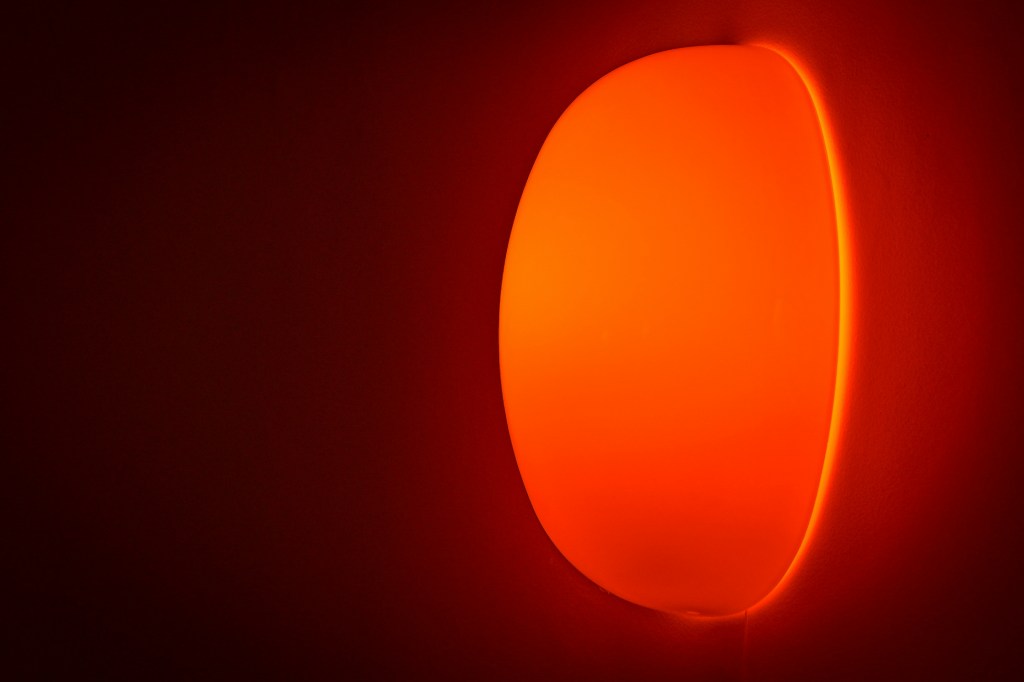
Red light therapy has quietly moved from clinical and research settings into homes, gyms, and wellness spaces. Unlike many longevity trends, its appeal isn’t rooted in pushing the body harder—but in supporting cellular repair, recovery, and regulation.
When approached thoughtfully, red light therapy fits well within a longevity framework that prioritizes sustainability over intensity.
This article explores what red light therapy is, what the research actually suggests, and how it may support long-term health without turning into another optimization burden.
What Is Red Light Therapy?
Red light therapy (also called photobiomodulation) uses specific wavelengths of red and near-infrared light—typically between 630–880 nm—to interact with cells.
Unlike UV light, these wavelengths do not damage the skin. Instead, they penetrate tissue and appear to influence cellular energy production, particularly within the mitochondria.
In simpler terms:
Red light doesn’t force the body to perform. It appears to support the body’s existing repair processes.
The Longevity Connection: Why Mitochondria Matter
Mitochondria are often described as the “power plants” of the cell. As we age, mitochondrial efficiency tends to decline, contributing to:
- Reduced energy
- Slower recovery
- Increased inflammation
- Cellular aging
Research suggests that red and near-infrared light may help improve mitochondrial function by supporting ATP (energy) production and reducing oxidative stress.
From a longevity perspective, this matters because aging is less about one system failing and more about many systems slowly losing efficiency.
Red light therapy is being studied as a way to support that efficiency—gently.
Potential Benefits Relevant to Healthy Aging
Research and clinical use suggest red light therapy may support:
• Cellular energy and repair
By influencing mitochondrial activity
• Inflammation regulation
Which plays a role in aging, pain, and chronic disease
• Muscle recovery and joint comfort
Especially helpful as recovery time increases with age
• Skin health
Through collagen support and improved circulation
• Circadian rhythm support
When used earlier in the day (important for sleep and longevity)
Importantly, these benefits appear to come from consistency, not intensity.
Red Light Therapy vs. Longevity “Optimization”
One reason red light therapy resonates with many midlife adults is that it doesn’t require:
- Willpower
- Performance
- Pushing through discomfort
You don’t sweat. You don’t track scores. You don’t “fail” a session.
This makes it uniquely compatible with a nervous-system-aware approach to longevity, where recovery and regulation are foundational rather than optional.
What Red Light Therapy Is Not
To keep expectations grounded, red light therapy is not:
- A substitute for sleep
- A replacement for movement
- A cure-all for aging
- Something that needs to be used excessively
Longevity isn’t built on single interventions. It’s built on supportive inputs repeated over time.
Choosing a Red Light Therapy Device (What Matters)
If you’re considering red light therapy, focus on:
- Wavelength transparency (red + near-infrared listed clearly)
- Consistency of use, not power claims
- Ease of integration into daily life
- Low stress to use
The best device is the one that supports recovery without becoming another obligation.
A Longevity Mindset Shift
Red light therapy works best when framed as:
“How can I support my body’s ability to repair and regulate—over time?”
Not:
“How can I optimize faster?”
That shift alone is often where the real longevity gains begin.
Educational note:
This content is for informational purposes only and is not medical advice.
 The Longevity Chapter
Leave a comment