
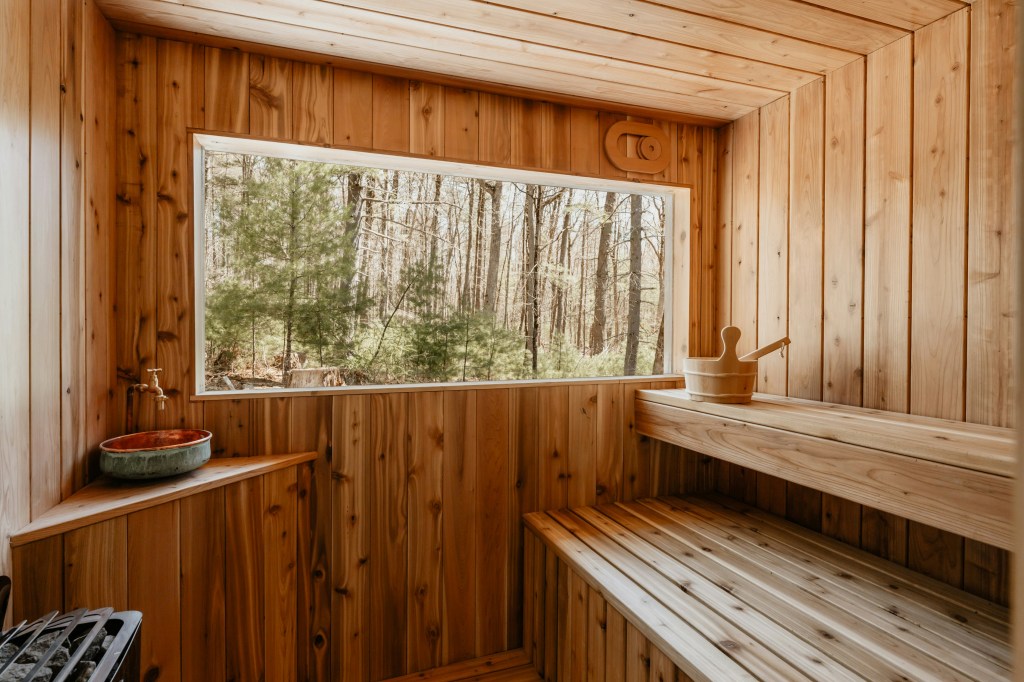
Sauna use has become increasingly popular in longevity and wellness conversations—and for good reason. Regular heat exposure may support cardiovascular function, recovery, and stress resilience over time.
But once you start shopping, the options can feel surprisingly confusing:
- Finnish dry sauna vs infrared
- Near-infrared light vs heat
- High temperatures vs lower, more tolerable sessions
- Permanent installs vs portable setups
This guide is designed to help you choose a sauna that fits your goals, physiology, and lifestyle—without overwhelm.
First, a Quick Clarification: Finnish Saunas Are Dry Saunas
The strongest longevity research comes from Finland, where sauna bathing is a long-standing cultural practice.
These studies were conducted using traditional Finnish dry saunas, which typically involve:
- High heat (often 176–212°F)
- Low humidity
- Short sessions (10–20 minutes)
- Regular weekly frequency
While water may occasionally be poured over hot stones to create brief steam (löyly), Finnish saunas are still considered dry heat saunas, not steam rooms.
This matters because different sauna types work through different mechanisms.
The Three Most Common Sauna Options
Most people considering sauna for longevity fall into one of these categories:
- Traditional dry heat saunas
- Infrared saunas
- Portable infrared or entry-level options
Each has strengths depending on your priorities.
Option 1: Traditional Dry Sauna (Finnish-Style)
Traditional dry saunas are the closest match to the sauna conditions used in the Finnish longevity studies.
Typical temperature: 176–212°F
Experience: High heat, dry air, strong cardiovascular response
Best fit if you:
- Want the most research-aligned sauna exposure
- Enjoy intense heat
- Are looking for a long-term home investment
- Have space for a dedicated sauna structure
Why people choose it:
Dry sauna bathing creates a significant heat challenge, which may support vascular adaptation, cardiovascular conditioning, and recovery when used consistently.
*Popular companies that sell these: Secret Saunas, Almost Heaven Saunas
Option 2: Infrared Sauna (Lower Heat, High Consistency)
Infrared saunas use infrared energy to warm the body at lower ambient temperatures than traditional saunas.
Typical temperature: 113–149°F
Experience: Gentler heat, often easier to tolerate
Best fit if you:
- Prefer a lower-heat experience
- Want something sustainable for frequent use
- Are focused on recovery and nervous system comfort
- Find high heat too intense during midlife or perimenopause
Why people choose it:
Infrared saunas may be more accessible for regular use, which is often more important than intensity for long-term adherence.
*Popular companies that sell these: Sunlighten, Clearlight
Option 3: Near-Infrared Light (Different Mechanism)
Near-infrared systems are sometimes grouped with saunas, but they work somewhat differently.
Rather than relying primarily on heat stress, near-infrared exposure is often discussed in the context of:
- Photobiomodulation
- Cellular signaling
- Mitochondrial support
These setups may involve mild warmth, but the primary mechanism is light-based rather than cardiovascular heat conditioning.
Best fit if you:
- Want minimal heat exposure
- Are specifically interested in light-based recovery tools
- Prefer shorter, lower-intensity sessions
*Popular companies that sell these: SaunaSpace
Option 4: Portable Infrared Options (Entry-Level)
Portable infrared saunas and sauna blankets are often the most accessible starting point.
Typical temperature: 113–140°F
Experience: Convenient, space-saving, variable quality
Best fit if you:
- Are new to sauna use
- Want a lower-cost way to begin
- Live in a smaller space or rent
- Prefer portability over permanence
Important note:
Portable options vary widely in materials, durability, and heat consistency, so thoughtful selection matters.
*Popular companies that sell these: HigherDOSE, Heat Healer
Quick Comparison Table
| Sauna Type | Temperature Range | Best For | Key Advantage |
|---|---|---|---|
| Finnish Dry Sauna | 176–212°F | Research-aligned longevity + cardiovascular conditioning | Strongest observational evidence |
| Infrared Sauna | 113–149°F | Consistency, comfort, midlife-friendly recovery | Lower heat, easier adherence |
| Near-Infrared Light | Ambient–120°F | Light-based cellular support | Minimal thermal stress |
| Portable Infrared | 113–140°F | Beginners, budget, small spaces | Accessible entry point |
How to Choose (A Simple Lens)
If you’re unsure where to start, consider this:
- If you want the closest match to Finnish longevity research:
Traditional dry sauna - If you want something you’ll realistically use 3–5 times per week:
Infrared sauna - If high heat feels dysregulating or unsustainable:
Near-infrared or lower-temperature options - If you’re just beginning and want to experiment:
Portable infrared
The most effective sauna is not necessarily the most extreme—it’s the one you can use consistently, safely, and calmly over time.
A Note on Sustainability and Nervous System Health
From a long-term health perspective, practices that support both physiological adaptation and recovery matter most.
Sauna use can be one of many tools that supports:
- cardiovascular resilience
- stress regulation
- recovery routines
- healthy aging across midlife
Consistency, rather than intensity, is often the true driver of benefit.
 The Longevity Chapter
Leave a comment